Tom Simpson
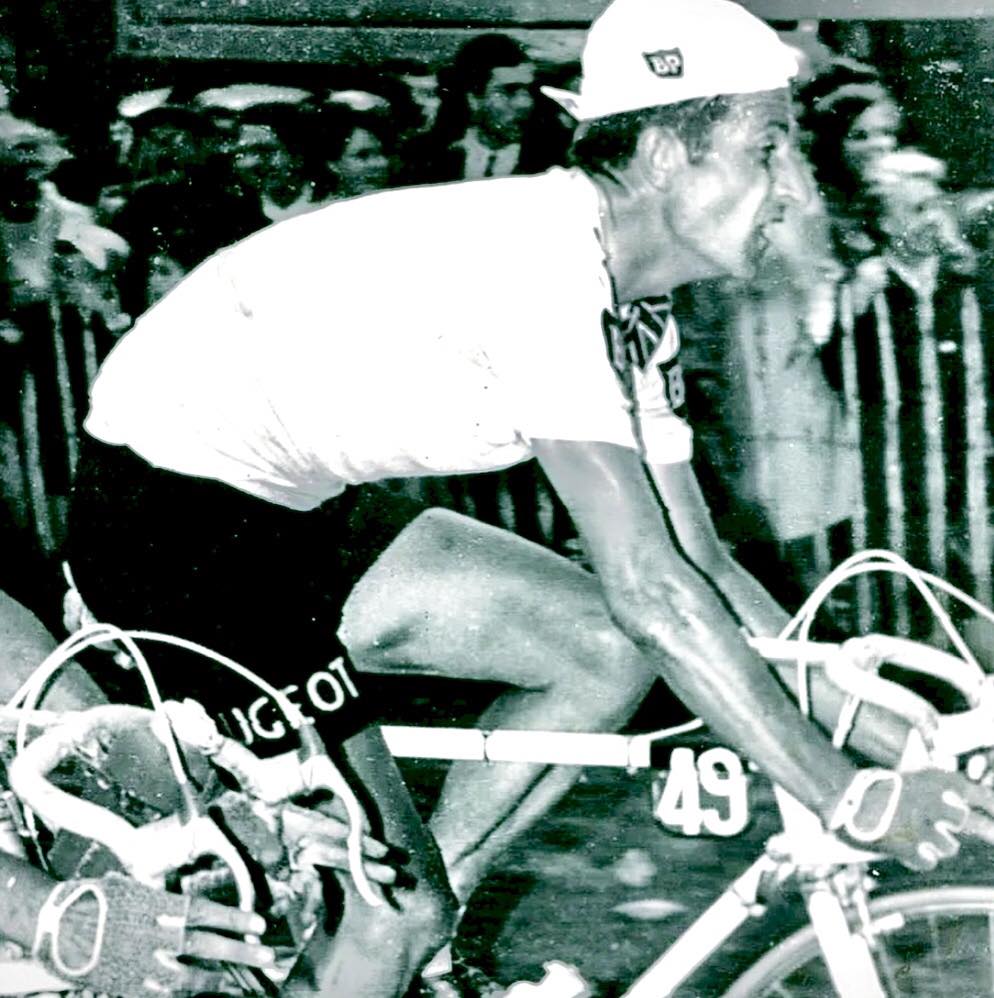
In 1965, my brother’s cycling club, the Crescent Wheelers, announced a cunning plan to rig the BBC Sports Personality of the Year Award. Tom Simpson: the cyclist, had set all kinds of records – in 1962 he’d become the first British rider ever to wear the yellow jersey in the Tour de France, an absolutely monumental achievement, which went almost totally unrecognised in Britain. He’d won the Milan – San Remo race, one of the Classics of the sport and then went on to also win the Paris – Nice, another great race on the cycling calendar. As well as these honours, he also found time to win the World Championship Road Race. One of the true greats of British Sport, hero-worshipped abroad but largely unrecognised at home by the general public.
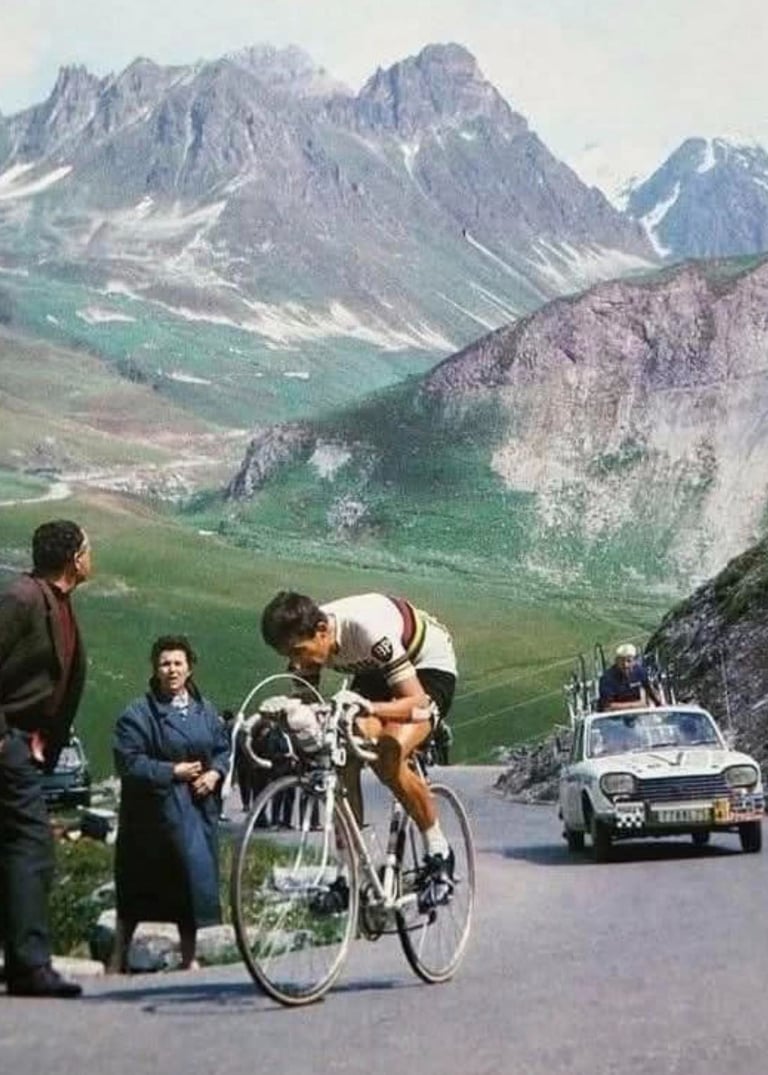
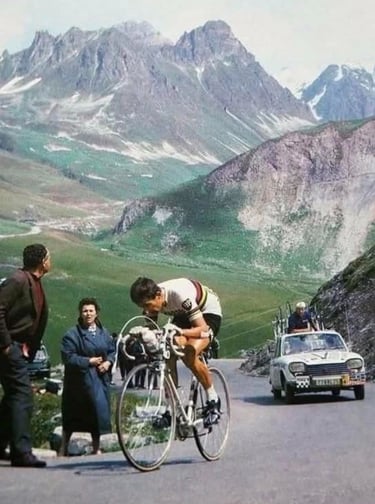
Tom in his rainbow jersey, riding on the punishing Galibier mountain pass in the 1966 Tour de France. (c) Miroir du Cyclisme
The lads at the cycling club decided that Tom deserved some recognition, so elected to rig the BBC award. I don’t know whose idea it originally was, whether or not the Crescents had thought it up or picked it up from some other clubs, but it rapidly gained momentum.
Back in those days, the Sports Personality of the Year was based on a postal vote. You had to send in a postcard with your nomination on it. Teaming up with other local cycling clubs like Royal Sutton Coldfield and the Solihull Cycling Club, the Crescent Wheelers sorted out how to fix the vote. I can only assume other cycling clubs around the country were involved, but of this I have absolutely no evidence!
The local clubs bought hundreds of postcards and stamps, addressed them all to the BBC, nominated Tom and left a space for the sender to put their own name and address. I took dozens of these cards to school and asked my classmates to get their parents and neighbours to add their details and send them in. All over East Birmingham there were people in factories and schoolkids doing the same. Ralph Digges, the manager of the Crescent Wheelers, wasn’t too happy about this; Ralph was an old-school gentleman, a true cycling buff who lived for the love of the sport and walked with a bad limp following a motorbike crash. He wasn’t the kind of man to approve of ‘his lads’ being so instrumental in fixing an event as distinguished as the Sports Personality award, but what could he do? The scam had developed a certain momentum.
We discovered that some of our participants’ families had become enthused, even obsessed, with the scheme and spent their own money on postcards and stamps. This thing was developing a life of its own!
The big night came. We gathered around our old Ekco black and white television. The telly was a bit of a ruin, dating back to the 1950s. By the age of eleven I’d become quite proficient at spotting which valves had failed and replacing them. Thankfully the old Ekco held it all together for the evening. There would have been about a dozen of the lads from the cycling club gathered around the TV, clutching bottles of light ale and Manns Brown. The programme reached its finale and…. TOM HAD ONLY GONE AND BLOODY WON IT!
WE had won it, the lads from the cycling clubs, their little brothers and sisters, hundreds of random Brummie friends, family and neighbours, people we’d never known and would never ever meet. I went to school the next morning, tired but jubilant, and we had a bit of a party. Our teachers, some of whom had joined in the game, were equally surprised, but delighted to see that all these scruffy kids had helped fool the pompous toffs at the great British Broadcasting Corporation.
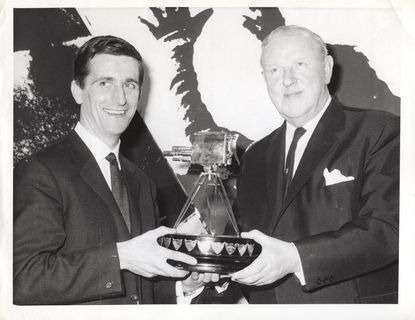
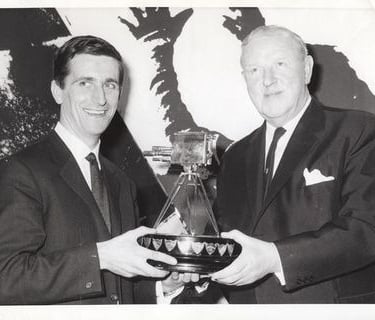
We've only gone and done it - he's won!
Sadly though, this story doesn’t have a happy ending. Within two years, Tom Simpson was dead. In those days there were no doping controls in cycling and Tom, full of amphetamine just like all the other riders, pushed his body too hard on the brutal ascent of Mont Ventoux. Dehydrated and exhausted, he literally rode himself to death. He was only 29. Tom died still strapped to his bike, lying on the ground, fighting to keep going and pleading with spectators to pick him up and put him back in the race. Some years later, the great Eddy Merckx was also to collapse, exhausted, on the same savage climb. Eddy received oxygen, recovered and went on to win the Tour.
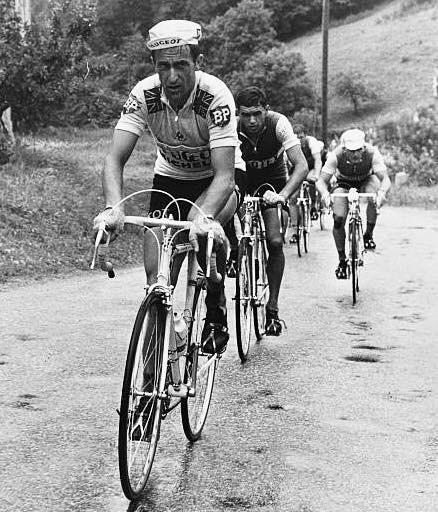
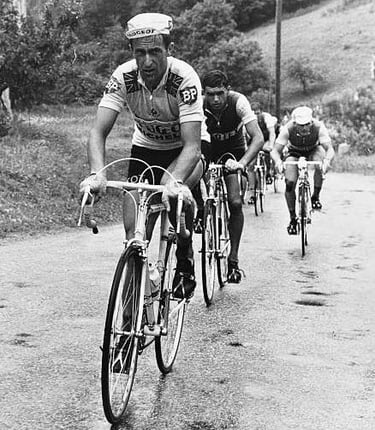
Attacking on the Ballon d'Alsace climb in the 1967 Tour de France
Today there is a monument to Tom on the ascent of Mont Ventoux. Cyclists from all over the world stop there to pay homage to a man who set new standards and who proved that the British could compete with the continental cyclists at the very highest level. The monument is often littered with tributes, items of cycling paraphernalia. Occasionally, the Tour de France will slow down slightly at the monument, and the riders will remove their helmets or throw a drinking bottle to pay their silent tribute to one of the true greats of world sport. A legend.
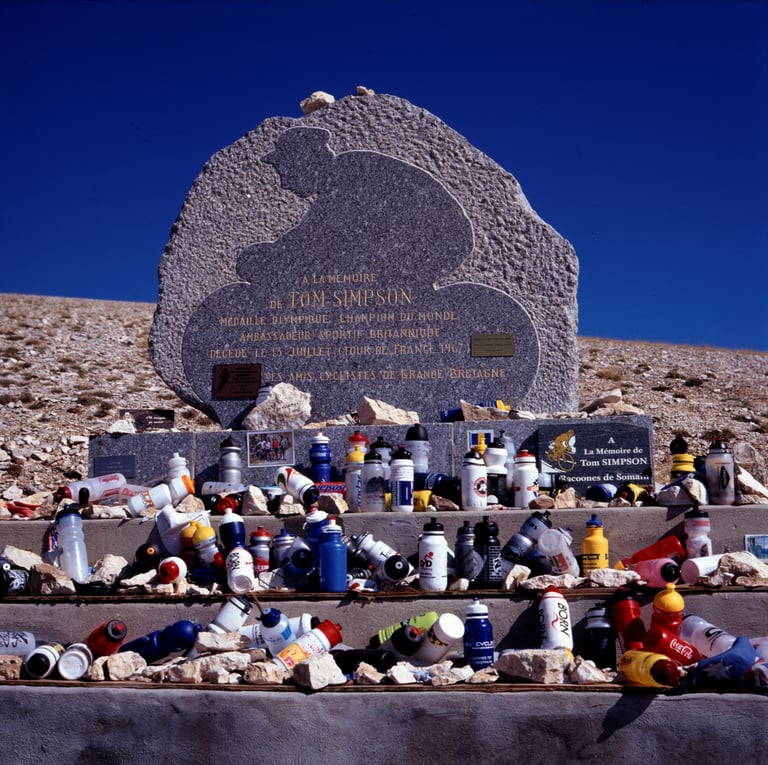
Tom’s monument with tributes ©Sportsjournalists.co.uk
So, we, a bunch of shabby schoolkids from inner city Birmingham, played our small part in gaining recognition for a truly great British sporting hero. Normally, the Sports Personality of the Year is won by an Olympic athlete or a Formula One racing driver or a footballer. We won it for a deeply unfashionable cyclist. In 1965. It was to be 43 years before another great cyclist, Chris Hoy, would win the award. I hope Chris realises that a smelly and generally objectionable rabble of Brummie schoolkids helped prove that it IS possible for a cyclist to win BBC Sports Personality of the Year, and we did it 20 years before he was born. He owes us!
This blog costs money to publish and maintain. If you enjoyed Tom's story, it would be great if you could buy me a coffee by way of recognition! thanks!